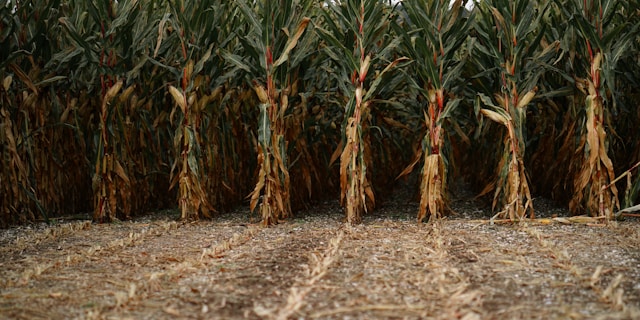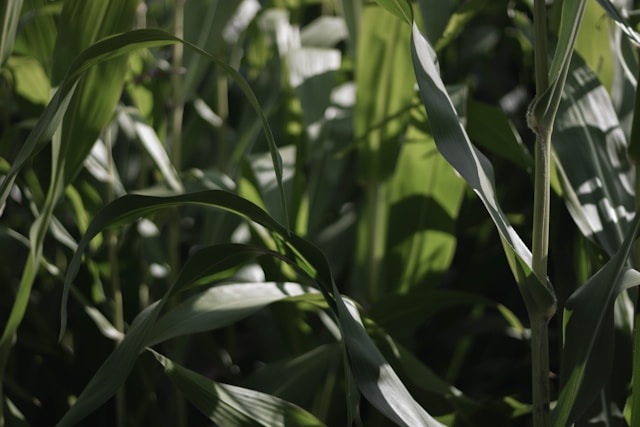
As part of AI Eswatini’s agriculture initiative, we’re leveraging YOLOv7 to detect and classify maize diseases with precision. Our goal is to provide farmers with practical AI tools that can help safeguard crops, improve yields, and support food security in Eswatini.
Step 1: Dataset Preparation
Building a reliable model starts with high-quality data. We collected images of maize leaves showing various diseases and healthy samples. Each image was labeled carefully to ensure accurate classification during training.
Step 2: Data Augmentation
To make our model robust to real-world conditions, we applied augmentation techniques such as rotation, flipping, scaling, and color adjustments. This ensures the model can handle different lighting conditions, leaf orientations, and camera angles.
Step 3: YOLOv7 Training
We trained YOLOv7 on the prepared dataset using custom configurations optimized for our maize disease classes. Training involved tuning hyperparameters, monitoring loss curves, and validating results on a separate test set to ensure high accuracy and minimal false positives.
Step 4: Deployment
Once trained, the model was exported for inference and integrated into a lightweight pipeline. Farmers and extension workers can now use a simple interface to upload images and receive disease predictions almost instantly.
Step 5: Future Improvements
Our next steps include expanding the dataset with more disease types, improving the user interface, and integrating real-time detection via mobile applications.
Through this initiative, AI Eswatini is demonstrating how practical AI solutions can directly impact agriculture, empower farmers, and build a sustainable ecosystem for smart farming.